Oil furnace issue

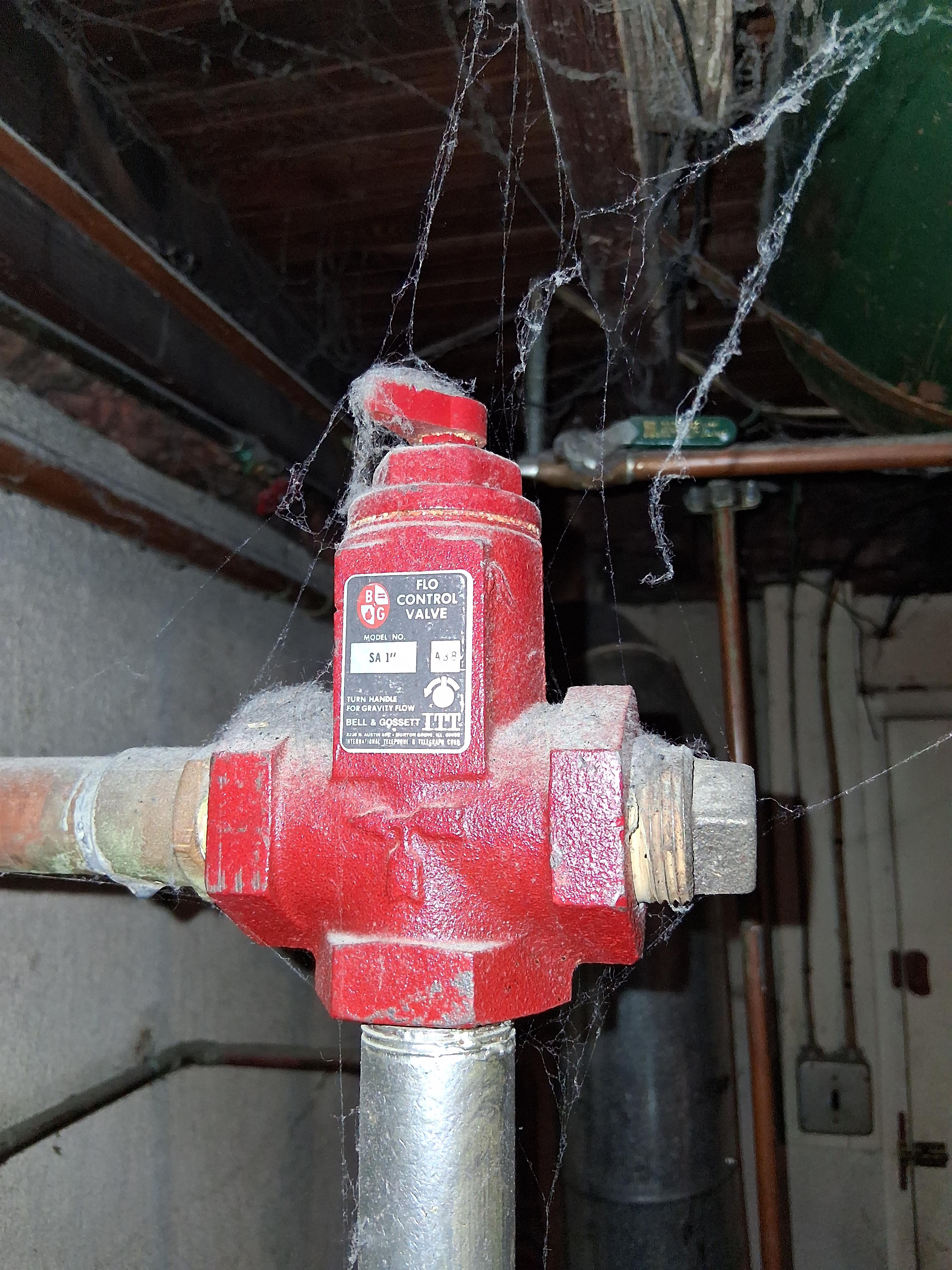
I have a 42 year old oil furnace in our old house. I get it cleaned regularly, most recently in January. I was told I should start thinking about a new one in the next couple of years, but that it still works. Health issues and other stuff have prevented me from moving forward on that. It's designed to heat the house through old radiators and heat our water, though we haven't used the house heat part in a couple years as we've converted much of the house to efficient electric heat. We're only using it to heat our water. We couldn't use it for house heat if we want as several radiators don't work right anymore and one was leaking water. My tech says it froze. Anyway, it's been doing fine just doing our water until the past week when it now clangs and clinks and makes water gurgling sounds toward the end of every run cycle. The clanging and clinking and water gurgling comes from the pipes in the basement leading to the radiators in the house and one day, the one radiator in the kitchen even felt warm which it's not supposed to do since I have the house heat off. I researched online and it sounds like a valve is at fault and I think I traced it with my limited knowledge to this thing on a pipe coming out of the top of my furnace leading to the radiator pipes. Tonight, in addition to clanging and clinking, it banged a couple times too as it was shutting off. No black smoke from the chimney and no carbon monoxide readings in the basement. I have a high quality detector that reads even the smallest numbers and it's all zeroes on several detectors. Oh and get this, two of my old furnace repair guys said they don't want to service me anymore because it's "too old" and not really an emergency. I'm tight on money and hoping I can do something to help this issue until I figure out what I'm going to do. Maybe convert to a hot water heater. I've been turning it off when we go out worried about keeping it on, and I know that's not ideal too. Any advice appreciated.
Comments
-
how does it heat your hot water? is there a separate tank heated by boiler water or is there a tankless coil in the boiler?
how did you cap off the frozen radiators? the supply and return need to be capped to keep the pressure in the system.
i am very concerned that the boiler may not be completely filled with water so that the water is boiling or dry firing or otherwise overheating
0 -
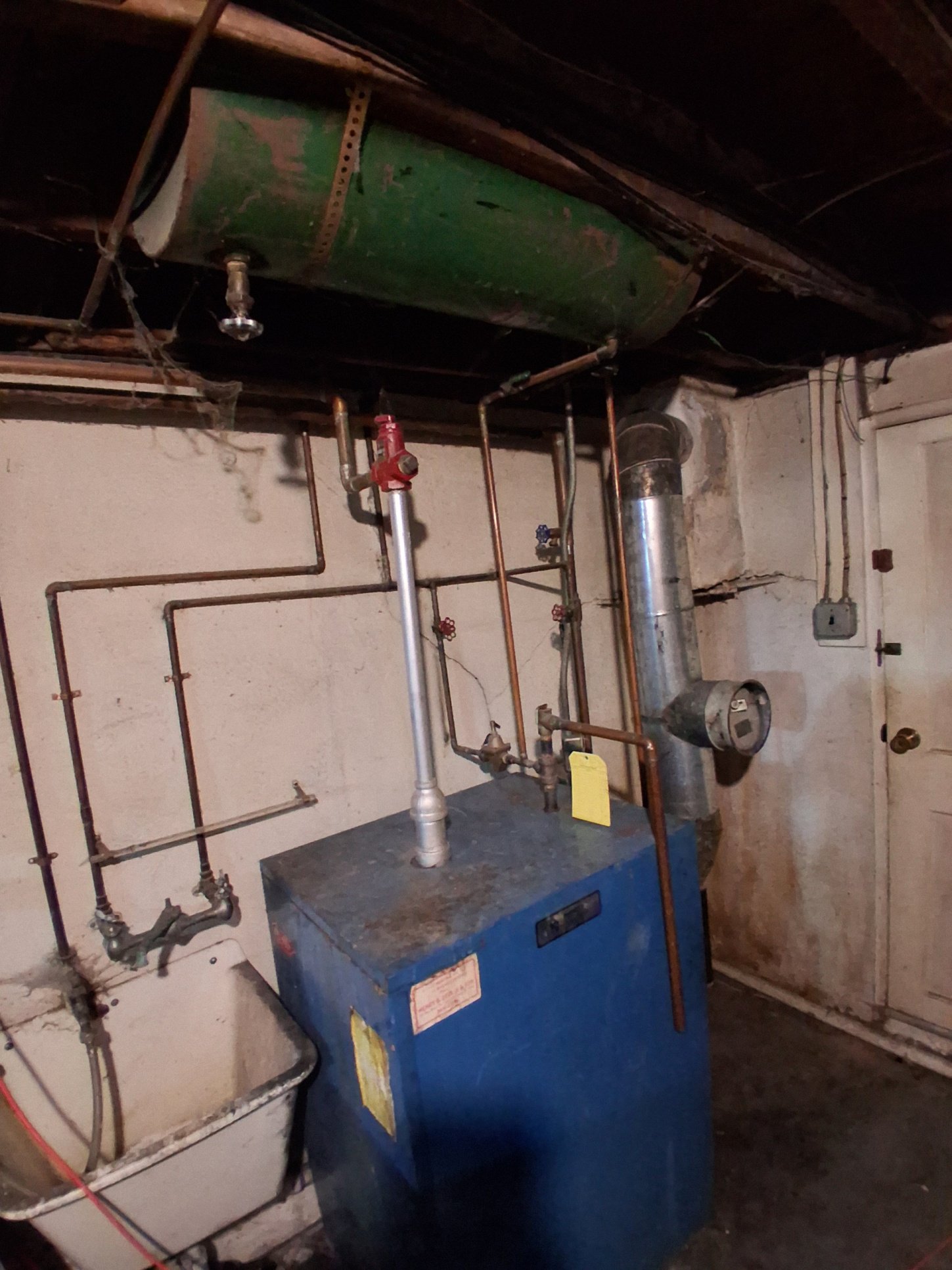
Good questions. And I feel dumb not knowing the answers. As for the first part of your question, I could take a few more pictures of the setup and post them here. As for the second part of your question, I don't think the most recent guy I used capped anything off. He just told me if I'm not using it for heating the house, I don't need to worry about it. Sounds like he might have given me bad advice? It's been running fine the past year just heating our water. This issue only began in the past week.
0 -
if the system is open, if it has an automatic fill valve water will run out, and if doesn't have an auto fill valve water will evaporate and the system won't be pressurized
0 -
don't use it unless you are sure the boiler is full of water, it could cause a fire
0 -
 0
0 -
How do I tell if it's full of water?
0 -
is there a pressure gauge somewhere? if it has pressure that is the first step. i see it has an auto fill valve, the question is if the valve that feeds it is on
0 -
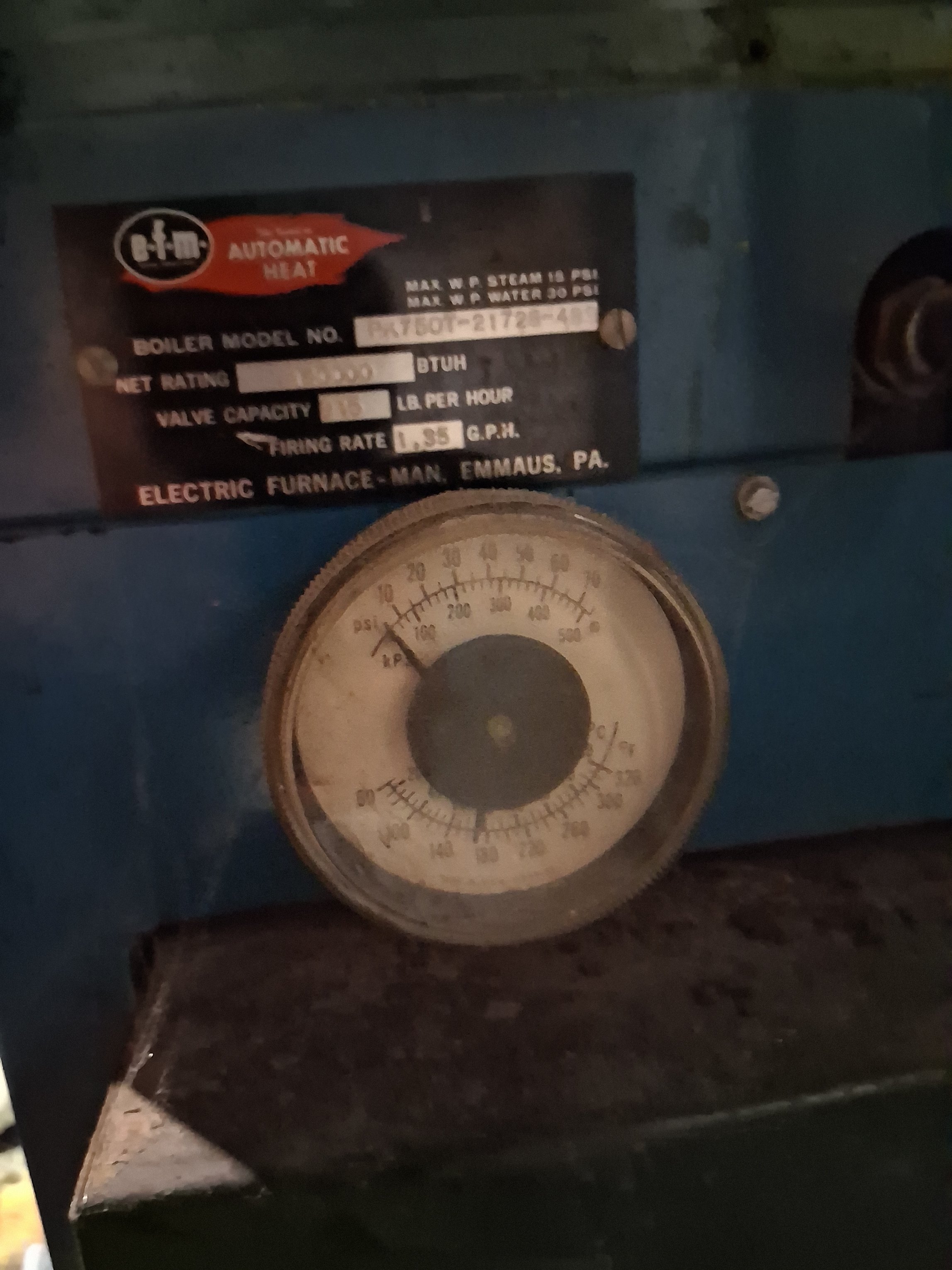
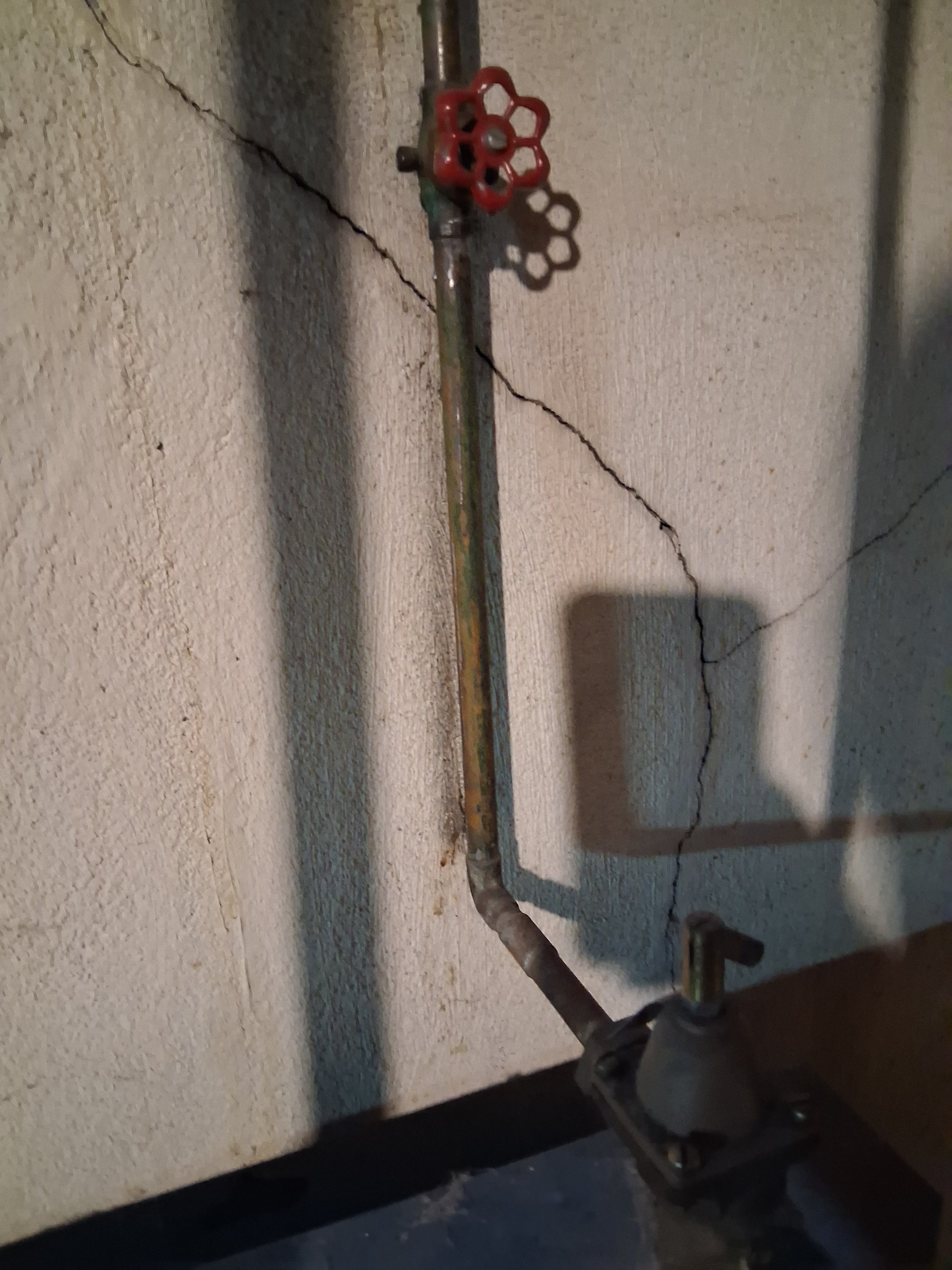
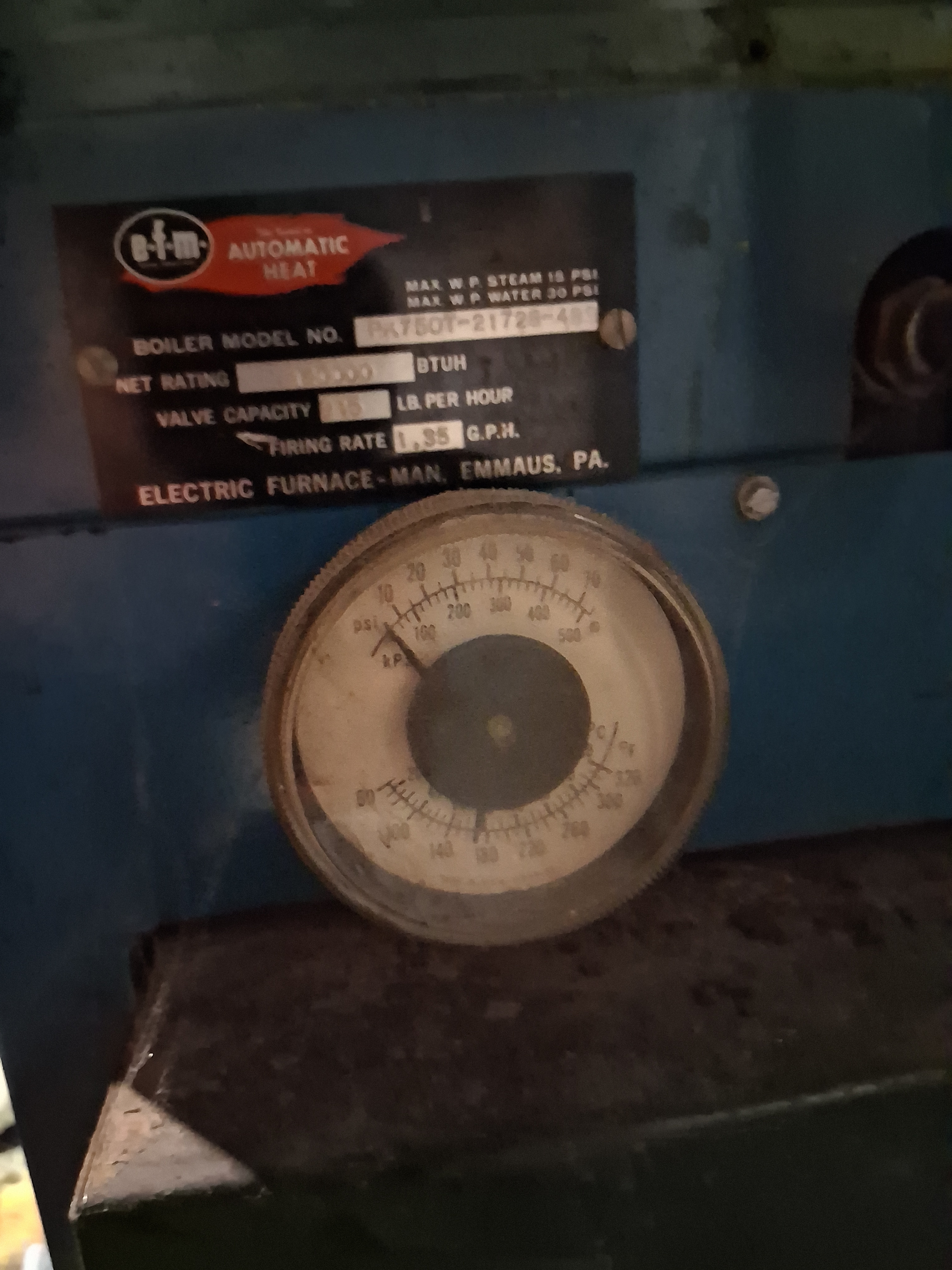
There's this gauge. And this picture one of my heating guys once told me the thing at the bottom of the picture is broken so to occasionally turn on the faucet at the top of the picture for about 30 seconds. But that now that I wasn't using it for house heat anymore, I didn't need to do that. So weird that this only started in the past week after heating our hot water fine for the past year since last service in January. Now you have me concerned and I'm not going to run it much at all until I figure this out or find someone who will come to my house and look at it. I can't believe two guys told me they won't even help me because "it's too old."
0 -
You are also breaking steam … Temp too high on boiler ..
There was an error rendering this rich post.
0 -
It's set at 160 high, 120 low. That's too high?
0 -
The control may be the problem , what does the temperature gauge show ?
There was an error rendering this rich post.
0 -
the pressure should be at least about 10 psi and it is at 0. you need to use that valve to fill it but wait until the gauge reads around room temp before doing it. it reads about 180 now. it likely will come pouring out the broken radiator before it builds pressure.
you could lift the relief valve and add water until it comes out there.
watch that you are not flooding something upstairs as you fill it.
the tankless coil for the domestic hot water sits in the hot water in the boiler. the boiler needs to be full of water for it to make dhw. the boiler is also designed t obe full of water when it is heated. it could crack if it isn't completely full.
your problems aren't with the boiler, they are with the system.
as a side note, in most areas oil is far less expensive than electricity. also keeping the boiler hot al the time to make dhw uses a fair bit of fuel, it is less efficient than a gas or oil or electric water heater if you aren't also using it for heating.
0 -
 0
0 -
Me ,wrong low pressure …
There was an error rendering this rich post.
0 -
You make a lot of sense. Thank you. Yes, when my last heating guy was here, he had that faucet on and water came out of the bad radiator upstairs. I had to use a shop vac to clean it up. He was nice but didn't explain things well to me. He was just like you're fine for now if you're not using it for house heat. But you're right, I remember my other guy who won't help me anymore said I need at least 10 pressure or it'll do weird stuff, but I haven't been doing that for fear of having water run out upstairs. It's been running fine for a year. So you think the boiler itself is still somewhat safe? I need a little hot water once a day until I can figure this out or find someone to come here and help me. Maybe tomorrow I'll turn on that faucet and get it up to 10 and be ready with a bucket again if water comes out of that bad radiator. And yeah, I've toiled with the cost benefit of oil vs. electric but then something crazy happens with my health or my family's health or something and I don't get the improvements I want done. Just temporary fixes. It's frustrating. I'm trying.
0 -
@cooljazz1976 , where are you located? We might know someone who can help.
All Steamed Up, Inc.
Towson, MD, USA
Steam, Vapor & Hot-Water Heating Specialists
Oil & Gas Burner Service
Consulting0 -
@Steamhead Thanks! I'm in southern Schuylkill County, Pennsylvania. About 10 miles south of Pottsville. About 20 miles north of Reading. About 30 miles west of Allentown. Let me know.
0 -
@mattmia2 An update. I ran the faucet downstairs fully expecting some flooding upstairs from that bad uncapped radiator. Cleaned that mess all up. Got the pressure up on the furnace. Turned it on and ran a full cycle with no clanging and banging. You might have saved me major issues. I guess it was low on water. Of course now I gotta get this broken radiator capped or temporarily put some special radiator putty on the leaks until I figure out what I'm doing permanently with the system. Thank you for your advice. And Steamhead, let me know if you know anyone in this area who would help me cap a broken radiator and check everything to make sure it's ok.
0 -
you really need to be carefyul that you don't run it without the boiler being full, it could cause a fire.
1 -
@cooljazz1976 , how about posting a pic of the bad radiator and the piping connections?
All Steamed Up, Inc.
Towson, MD, USA
Steam, Vapor & Hot-Water Heating Specialists
Oil & Gas Burner Service
Consulting0 -
Thank you. I thought it had failsafes on it that if something like water was low, it just wouldn't run. I guess not with these old ones?
0 -
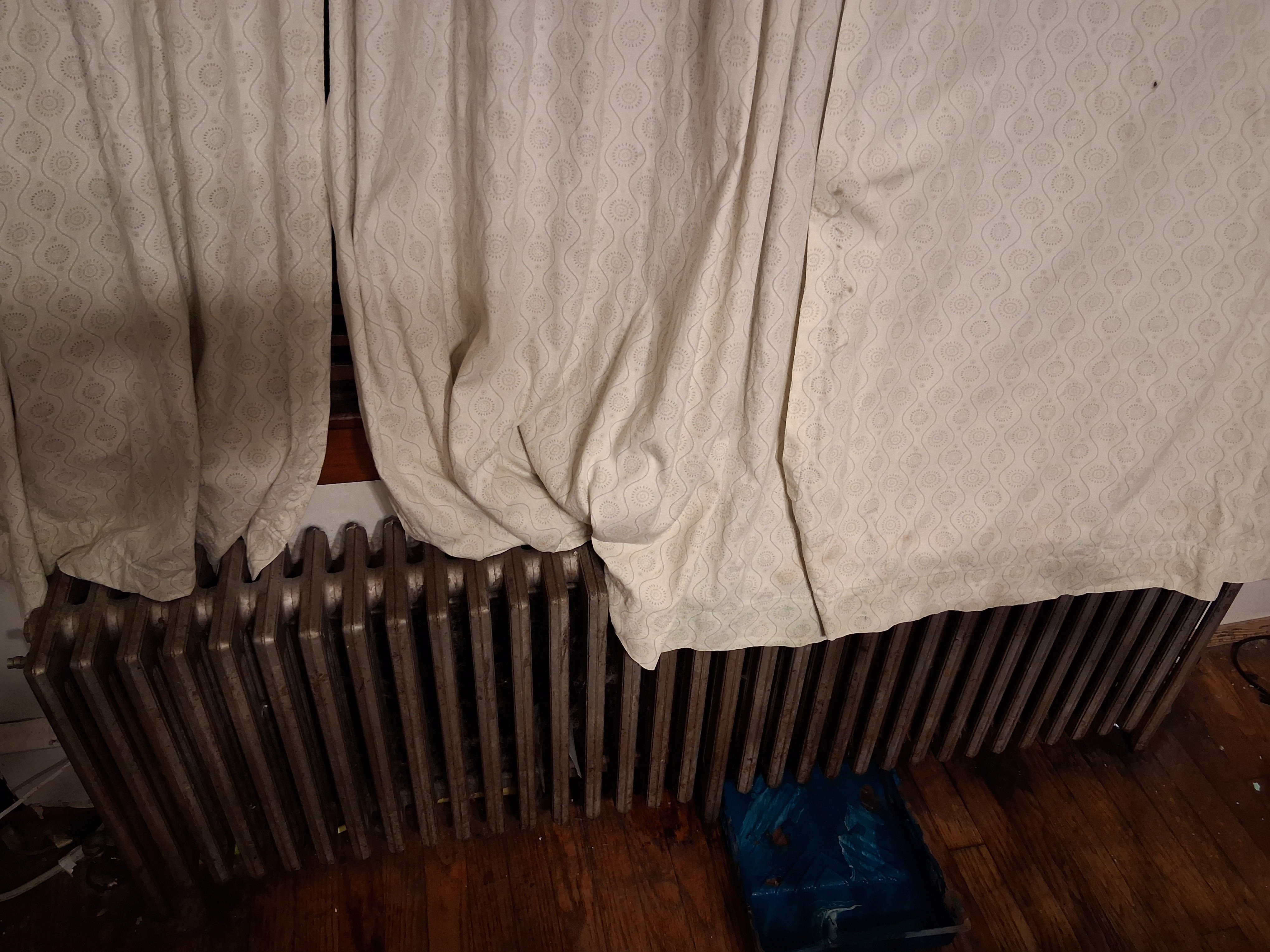
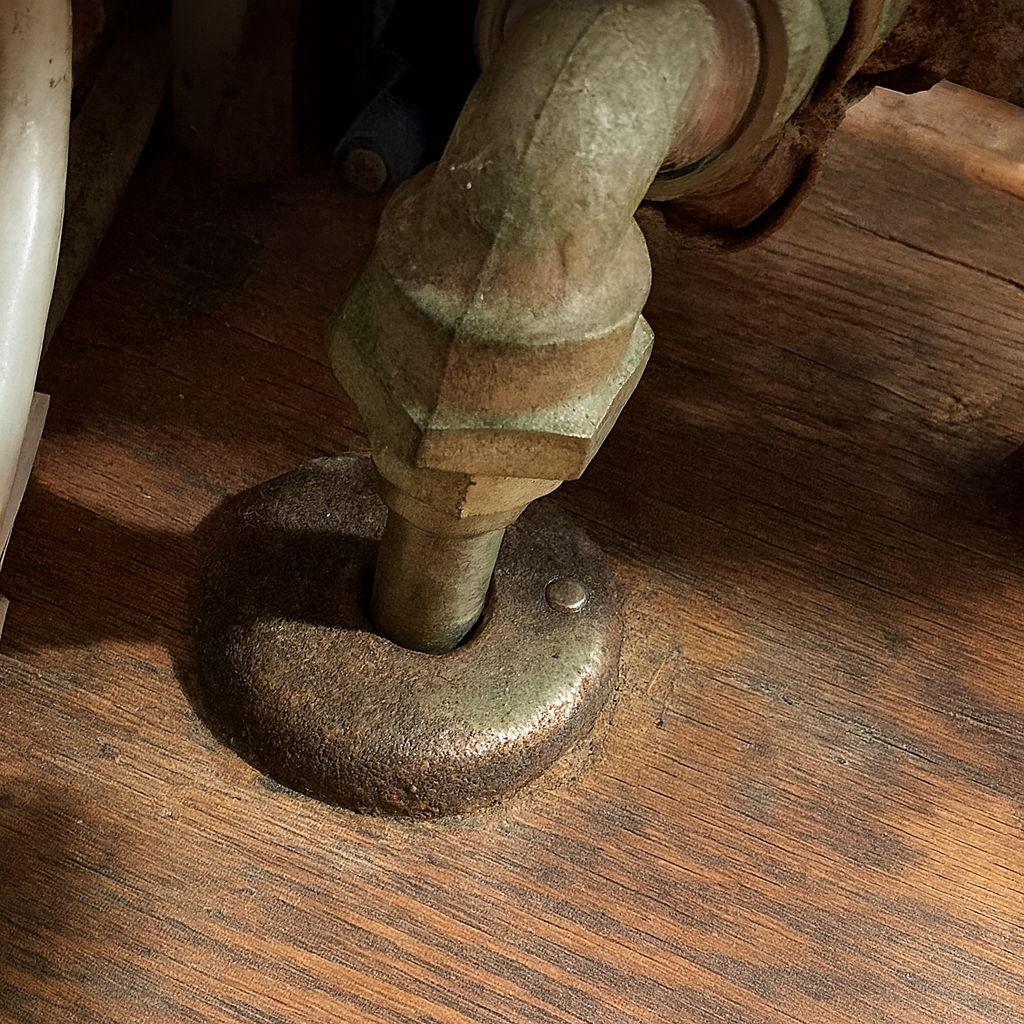
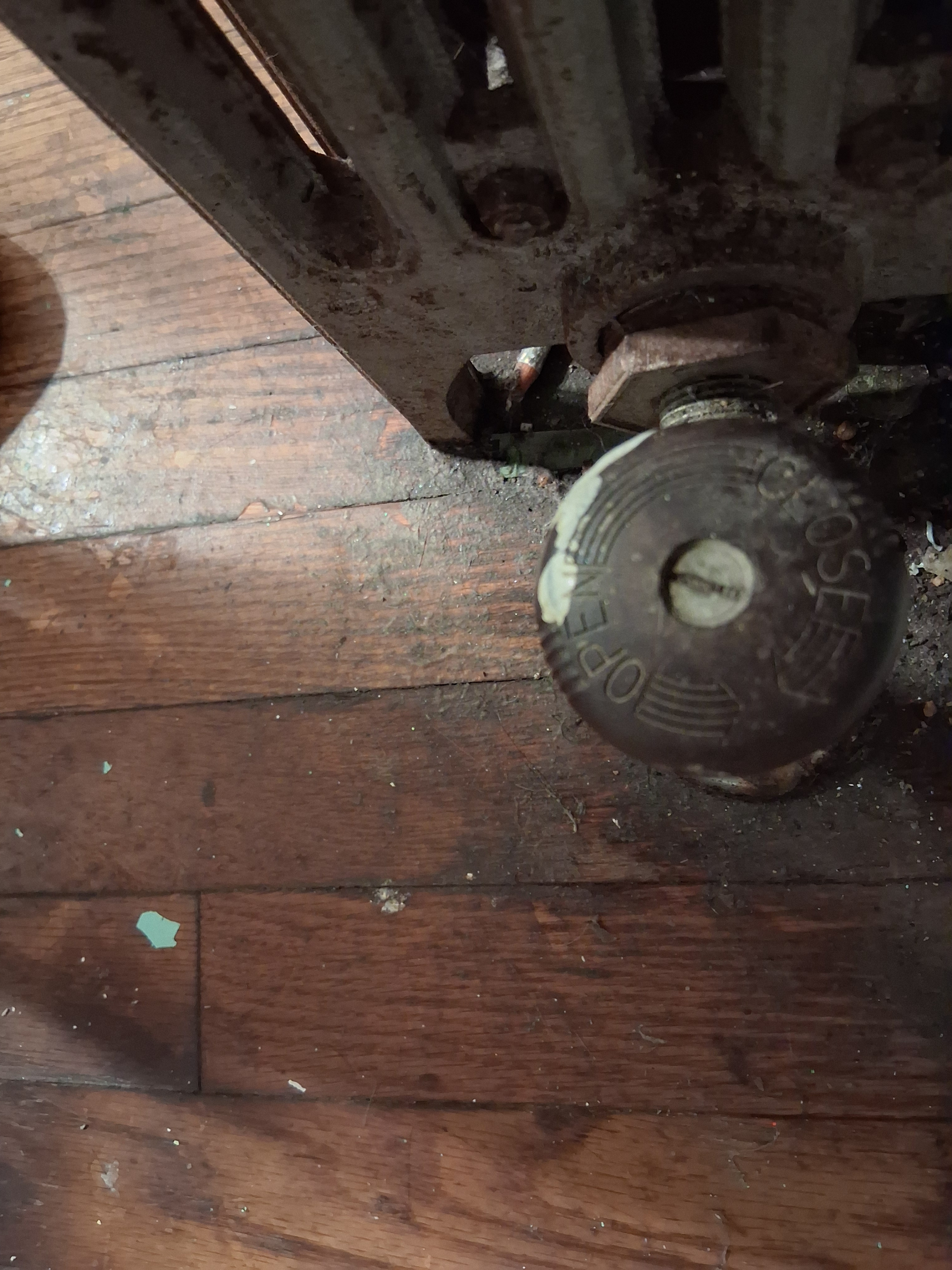 0
0 -
hot water boilers only need a low water cutout in most jurisdictions if there are emitters below the boiler. in theory the aquastat should shut it down at whatever setpoint it is set to but if the block is dry or only partially filled the aquastat may not see the highest temps in the boiler. it is not the best of ideas to be running it without the ability of the system to hold pressure.
1 -
It wouldn't take much work to disconnect and cap those pipes on either end of the radiator. Any competent plumber could do it.
—
Bburd 2
2 -
Thanks for your input. Let me ask you this ... my father recently passed away so my basement where those pipes go is a mess as I got a lot of his stuff. Before I go crazy trying to clean and move all that stuff to give room to work, do you think could be disconnected and capped right there in the room with the radiator?
0 -
Yes, in fact that's the best way to do it because at some point someone will probably want to put another radiator back there. New cast-iron radiators are expensive, but used ones are generally available.
—
Bburd2 -
you need a plumber with basic competence, some are just sink installers that don't know how to work with black pipe but any good plumber will know how to do it.
1 -
I live close to you, there are some good plumbers in the area i can recommend to you. I just scrapped a 1975 efm a lot like that because the base was bad. If you only use it for hot water I would suggest putting in a hot water heater instead of putting money toward the repair of a system you're using for it's secondary function anyway.
1 -
Great. I'll send you a message. Can you give me a plumber recommendation or two? And yeah, that's exactly what I'm planning to do at this point (hot water heater maybe). I just need to get this bad radiator capped so I can keep the furnace filled with water manually without having to clean up leaked water in my dining room (Lol) until I can get that new hot water heater installed.
0 -
My brother is retired now but he lives in Richboro PA in Bucks County. This is the company he built F T YOUNG Associates 24/7 Emergency Service Available Call 215.357.4300. Not sure if the new owner goes to your location but it would not hurt to ask.
I think there is a contributor in your area that goes by @STEVEusaPA . I don't know for sure if he is even still working but he knows his stuff.
In Schuylkill County Pa I can’t believe that Electric Heat is less expensive that oil heat. And if the boiler can hold water to make hot water, you can certainly heat your home with it after the bad radiator is removed, repaired, or replaced.
Edward Young Retired
After you make that expensive repair and you still have the same problem, What will you check next?
2 -
I appreciate your thoughts because I've toiled with this too. But here's the thing. I've done the math. At least for me, oil is about $2.99 a gallon. During a cold winter month, I can go through an extra 150 or so gallons of oil, or $448. Electricity-wise, yes, my bill spikes about an extra $300 in a cold month. High, but not as high as oil. Let me know your thoughts because I toil with the right decision too.
 1
1 -
Oil is purchased at one time before you actually use the energy. Gas and electric is paid for after you use the energy. As a result of this difference, comparing the price you pay in one month of a utility bill with other usages like the refrigerator and lighting can't be equally compared as easily. You may also be heating the entire home with your oil heater and only heating a few rooms with electric, so the comparison is again flawed. (not heating rooms that have radiators may cause a radiator to freeze and crack)
You can reduce the amount of heat going to unused rooms by closing the radiator valve and get a similar reduces usage. Think of heating only three rooms with electric and then adding all your other rooms with electric heaters. That same $300 spike would turn into $700.00 real fast, but the reduce oil heat with radiators turned off might drop to only 75 Gallons extra in a winter month. That oil boiler with the proper tune up will also burn less fuel.
Have you thought of financing new equipment? The lower cost of operation will help in making the monthly payment on the new equipment. Just some thoughts from a guy with 40+ years in the trade. And I'm still learning.
Edward Young Retired
After you make that expensive repair and you still have the same problem, What will you check next?
1 -
I will message you the contacts, i have also heard very very good things about integrity out of pine grove, but the two contacts i'll give you are more one man bands and might be able to assess the situation more readily and for less. My guess only. Yes here in the skook electric is cheap but not cheaper than oil for a whole house. Jamie's points were very helpful. Ask the plumber his opinion, he should be able to help you out with that balance after seeing what your system needs.
1


Categories
- All Categories
- 87.6K THE MAIN WALL
- 3.3K A-C, Heat Pumps & Refrigeration
- 59 Biomass
- 429 Carbon Monoxide Awareness
- 124 Chimneys & Flues
- 2.2K Domestic Hot Water
- 5.9K Gas Heating
- 119 Geothermal
- 168 Indoor-Air Quality
- 3.8K Oil Heating
- 78 Pipe Deterioration
- 1K Plumbing
- 6.6K Radiant Heating
- 394 Solar
- 16K Strictly Steam
- 3.5K Thermostats and Controls
- 56 Water Quality
- 51 Industry Classes
- 50 Job Opportunities
- 18 Recall Announcements