Welcome! Here are the website rules, as well as some tips for using this forum.
Click here to Find a Contractor in your area.
If our community has helped you, please consider making a contribution to support this website. Thanks!
Combustion readings

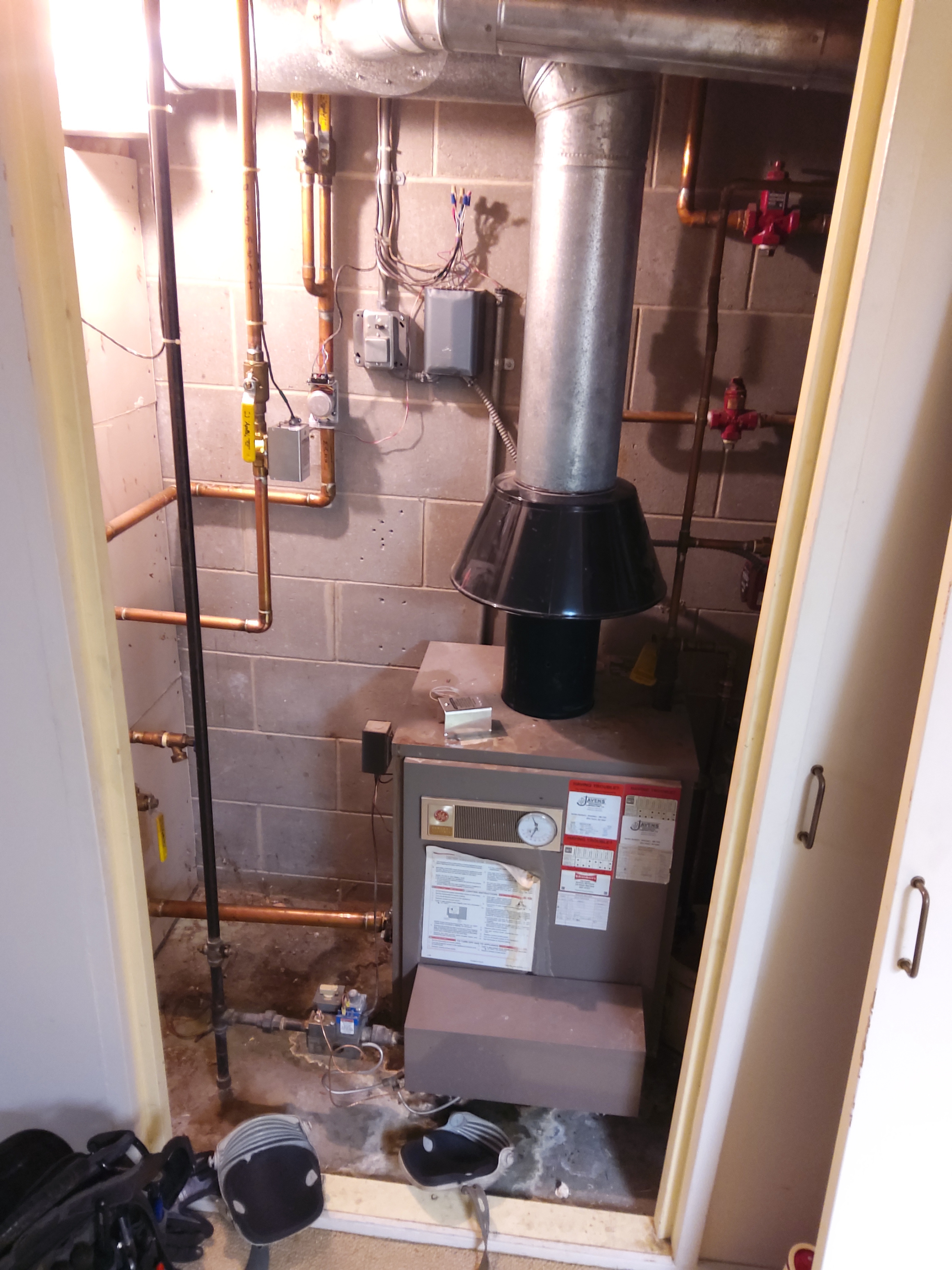
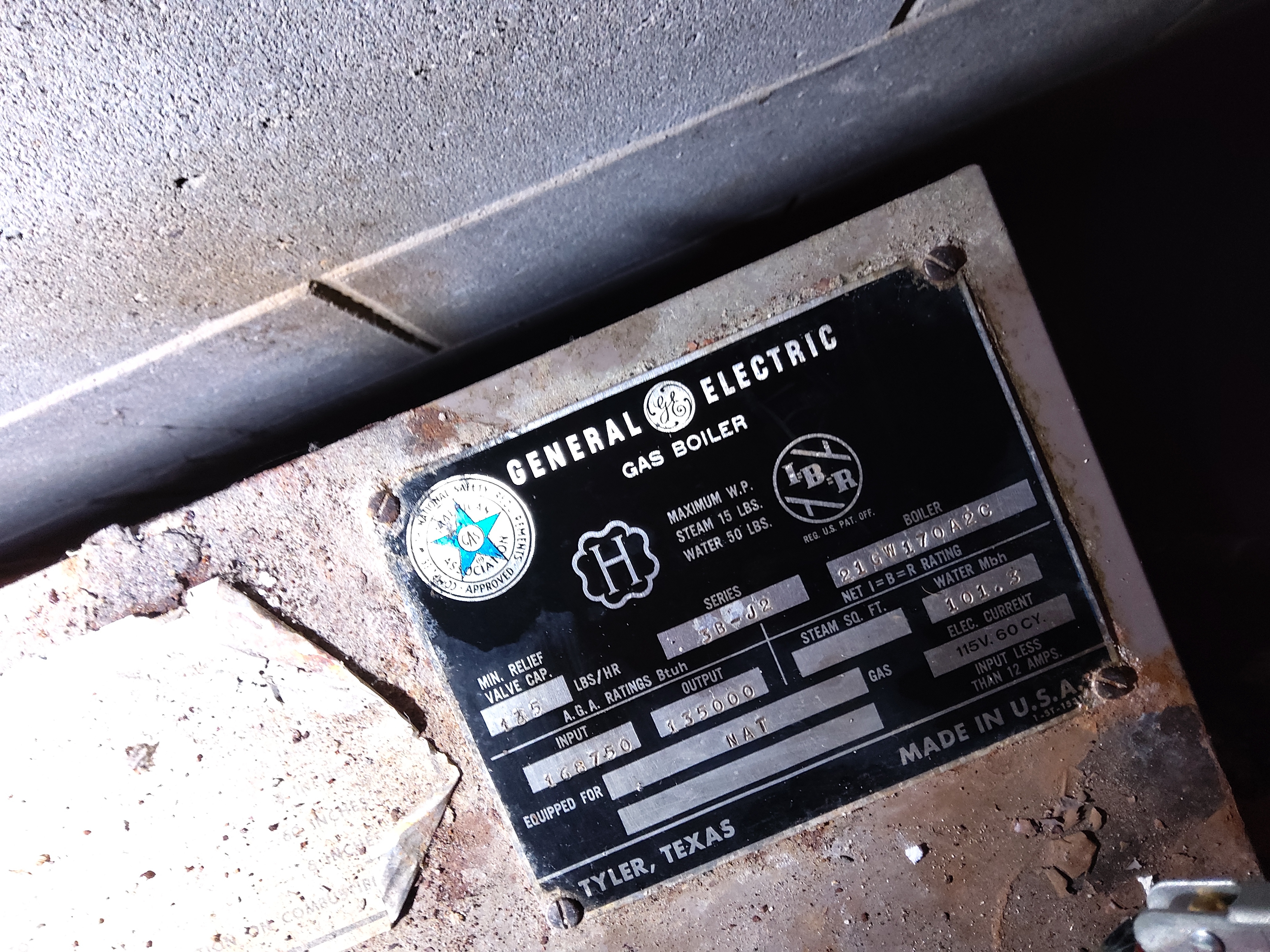
I have recently had the privilege to service a 75% efficient boiler. It was branded General Electric gas boiler. The maintenance personnel on site had filled the system with water and lit the polit lights (yes there is 2 pilots) and started the heating process. They still asked me if I would service the boiler, I replied of course.
I started with a combustion analysis and things looked great.
O2: 6.3% CO: 4 ppm. Flue temp: 547 f. CO2: 8.24 ppm
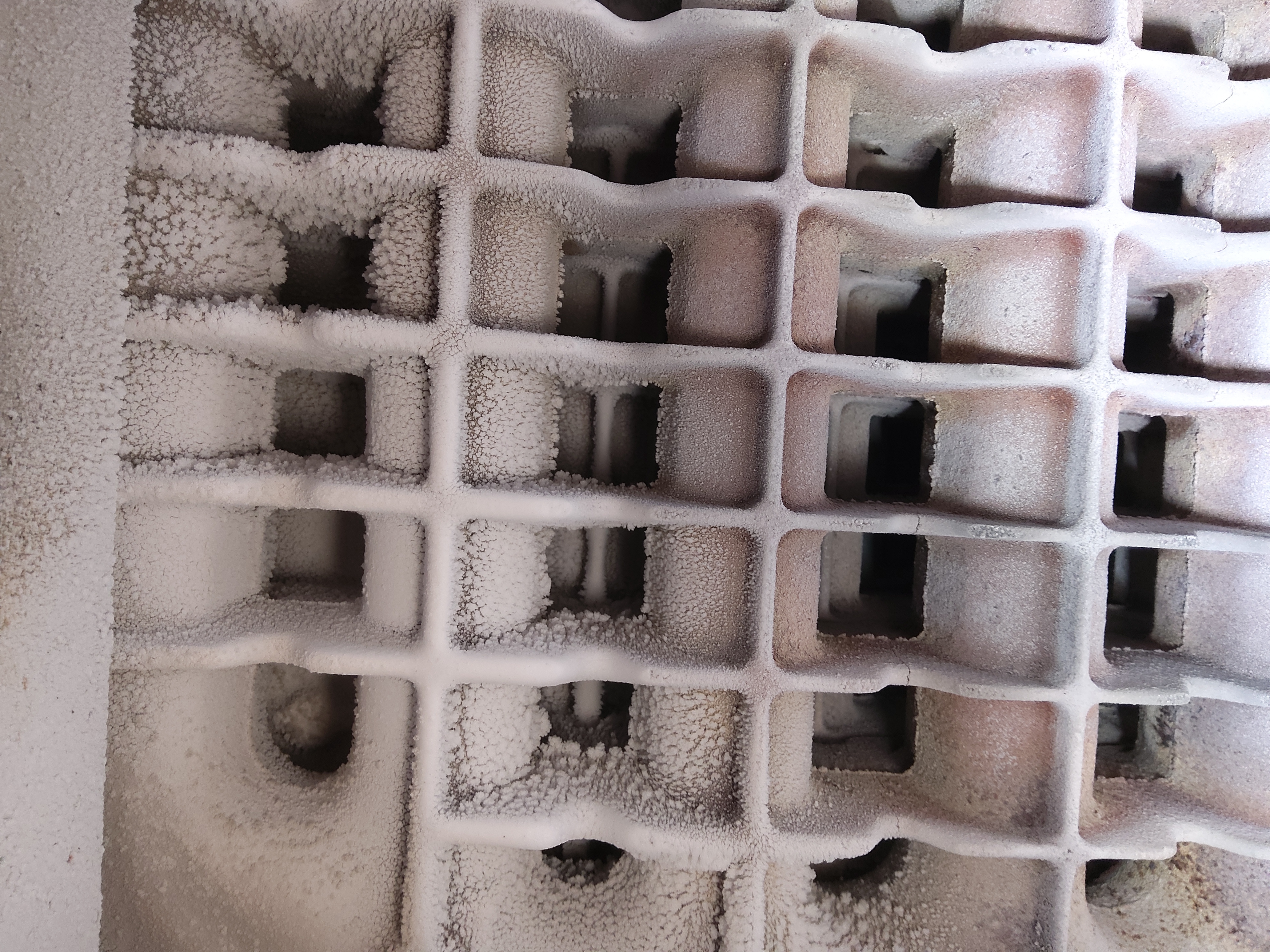
I pulled the burners cleaned them up and when I inspected the heat exchanger I found a white substance in the heat exchanger. I brushed off what I could, it was thicker closer to the front of the boiler. I also had to take the pilots apart and clean them up well too.
With everything reassembled I tested operation and manifold pressure, only to find it was at 2.3 inwc. I brought the gas pressures up to 3.5 inwc. The combustion numbers were
3.5 inwc. O2:% 2.8. CO:ppm 1532. Flue temp: deg f. 662. co2: ppm. 10.28
I did NOT leave the system run at this level I adjusted to
2.5 inwc. O2: % 5.6. CO: ppm. 29. Flue temp: deg f. 631. CO2: ppm 8.6.
Questions:
1 what am I missing that the CO is so High with the gas pressures were I would expect it to be? And what should be the next set of steps to correct it?
2. What would cause the white stuff to gather on the heat exchanger
Comments
-
Well, this is why we test.
I'm wondering if the white deposits were from the pilot flames being too high.
The higher stack temp is typical for gas boilers of that age. Did the burners have adjustable air shutters?
0 -
Whats the rating on the gas valve? Does it show a range for manifold pressure, or 3.5 inches?
0 -
What you describe is typical of low flue draft or misdirected combustion air. This likely has a drafthood? What about combustion zone pressure? You'll need to look at the whole picture. Being as there are maintenance personnel it's a factory environment?….and likely has a negative building…
Measure the flue pressure . Is there at least -0.02" constantly while you test? (Above the draft hood) If the flue stays negative but the CA numbers deteriorate, then block off the draft hood with tinfoil or cardboard or something else temporarily. Doing so, redirects the available combustion air thru the burners. If that fixes the CA issue, you install a barometric damper instead of the drafthood.
If not enough flue pressure then you first need to address the venting and/or the combustion air availability. A hole in the mech room is not a guarantee that air enters there and flows to the boiler. It may go elsewhere or use that hole to exit the mech room.
So building pressure, mechroom pressure, flue pressure, combustion air availability, venting.
MUAs running, exhaust fans, flue pressure in worst case scenario……

 2
-
@icy78 is 100% correct. You can't do a combustion analysis without measuring draft. I always check before and after the draft hood. And combustion supply air is a big factor that needs to be considered.
The original measurements looked fine despite the lowered manifold gas pressure and so did the measurements that you adjusted it to. Stack temperature was certainly high enough. Perhaps @captainco will give us his expert opinion. I think he might agree with @icy78.
0



Categories
- All Categories
- 87.9K THE MAIN WALL
- 3.3K A-C, Heat Pumps & Refrigeration
- 60 Biomass
- 430 Carbon Monoxide Awareness
- 134 Chimneys & Flues
- 2.2K Domestic Hot Water
- 6K Gas Heating
- 124 Geothermal
- 170 Indoor-Air Quality
- 3.9K Oil Heating
- 80 Pipe Deterioration
- 1.1K Plumbing
- 6.7K Radiant Heating
- 397 Solar
- 16.1K Strictly Steam
- 3.5K Thermostats and Controls
- 56 Water Quality
- 51 Industry Classes
- 51 Job Opportunities
- 18 Recall Announcements