Welcome! Here are the website rules, as well as some tips for using this forum.
Click here to Find a Contractor in your area.
If our community has helped you, please consider making a contribution to support this website. Thanks!
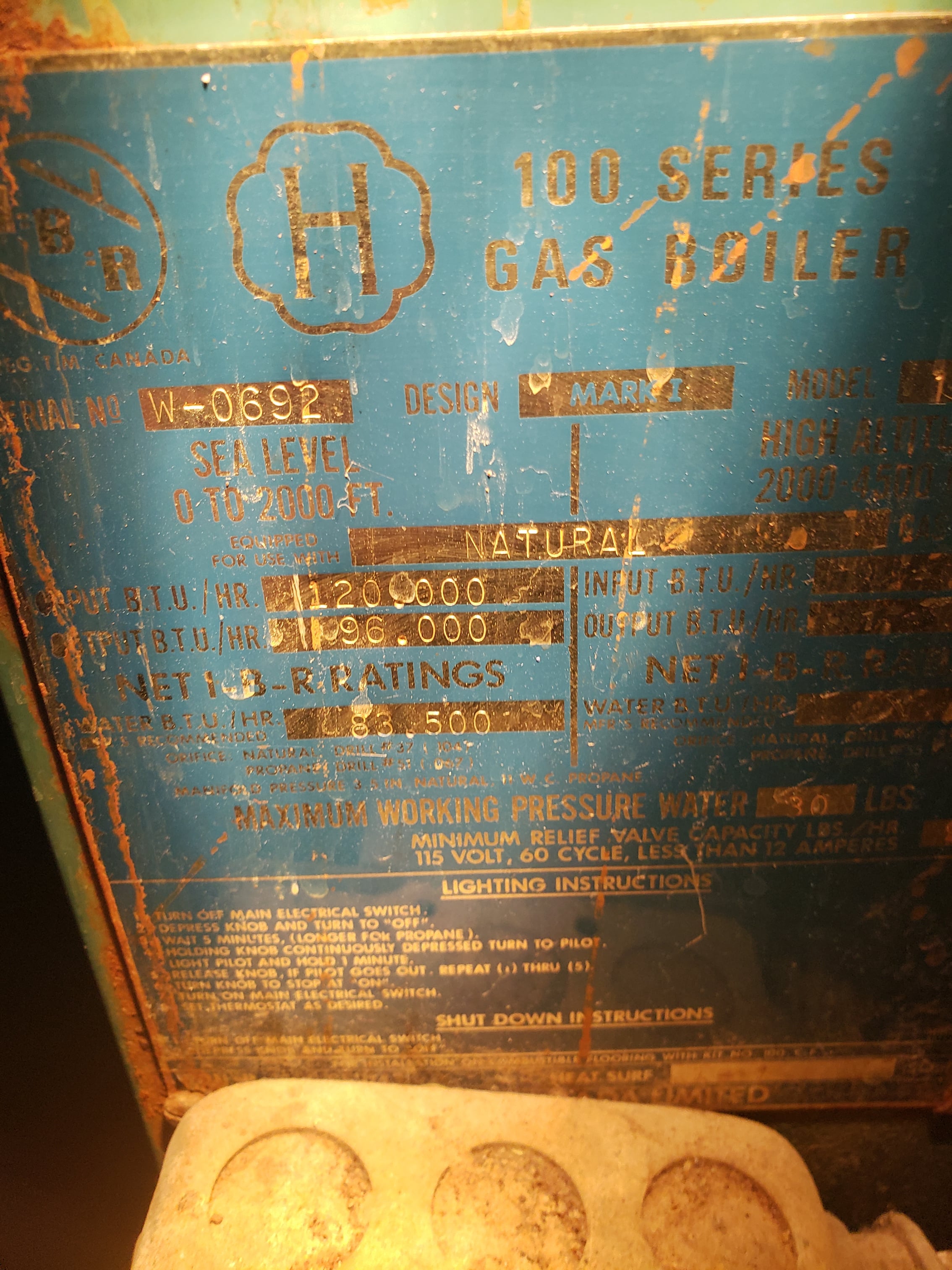
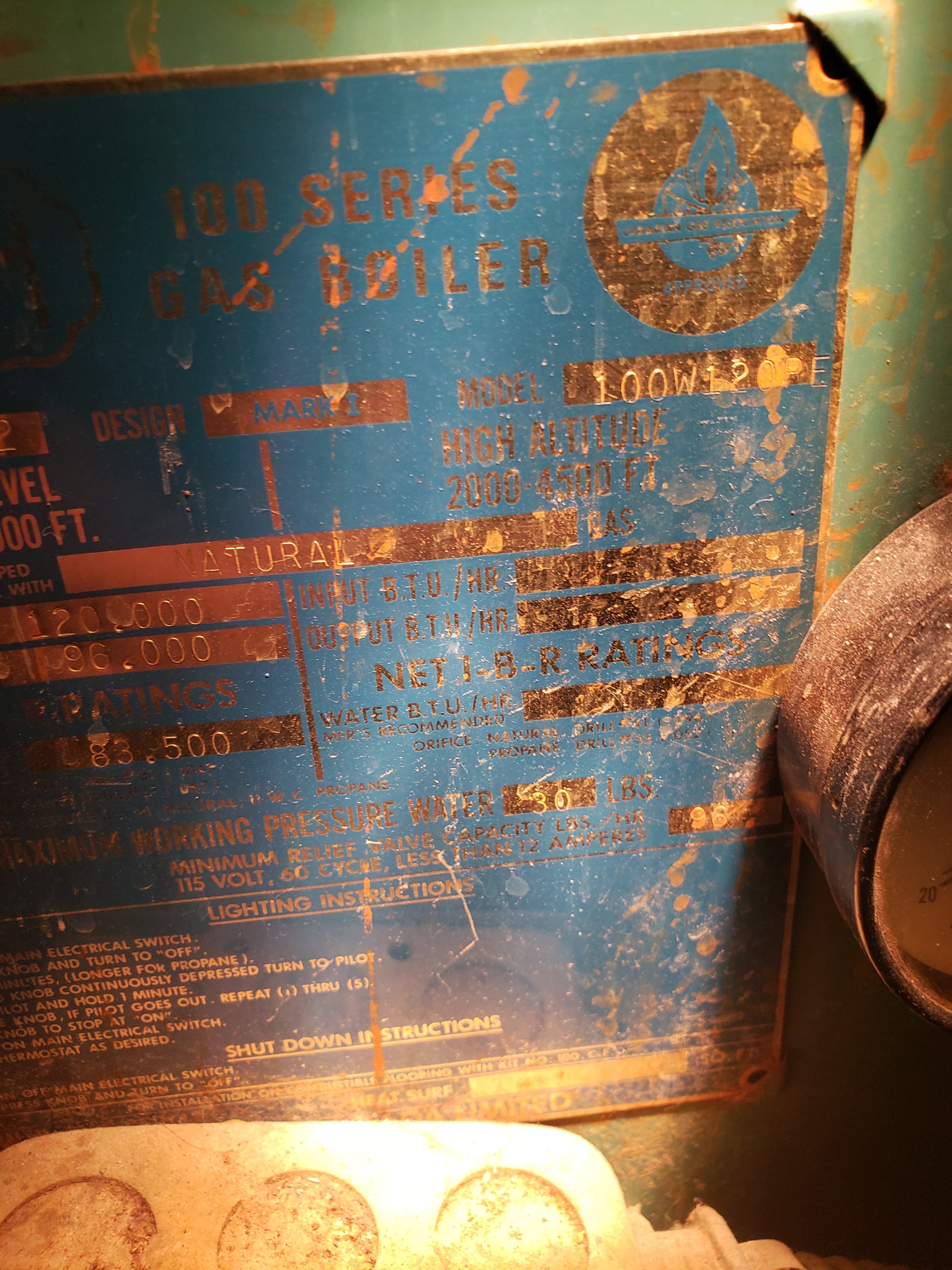
Crane 100 series boiler

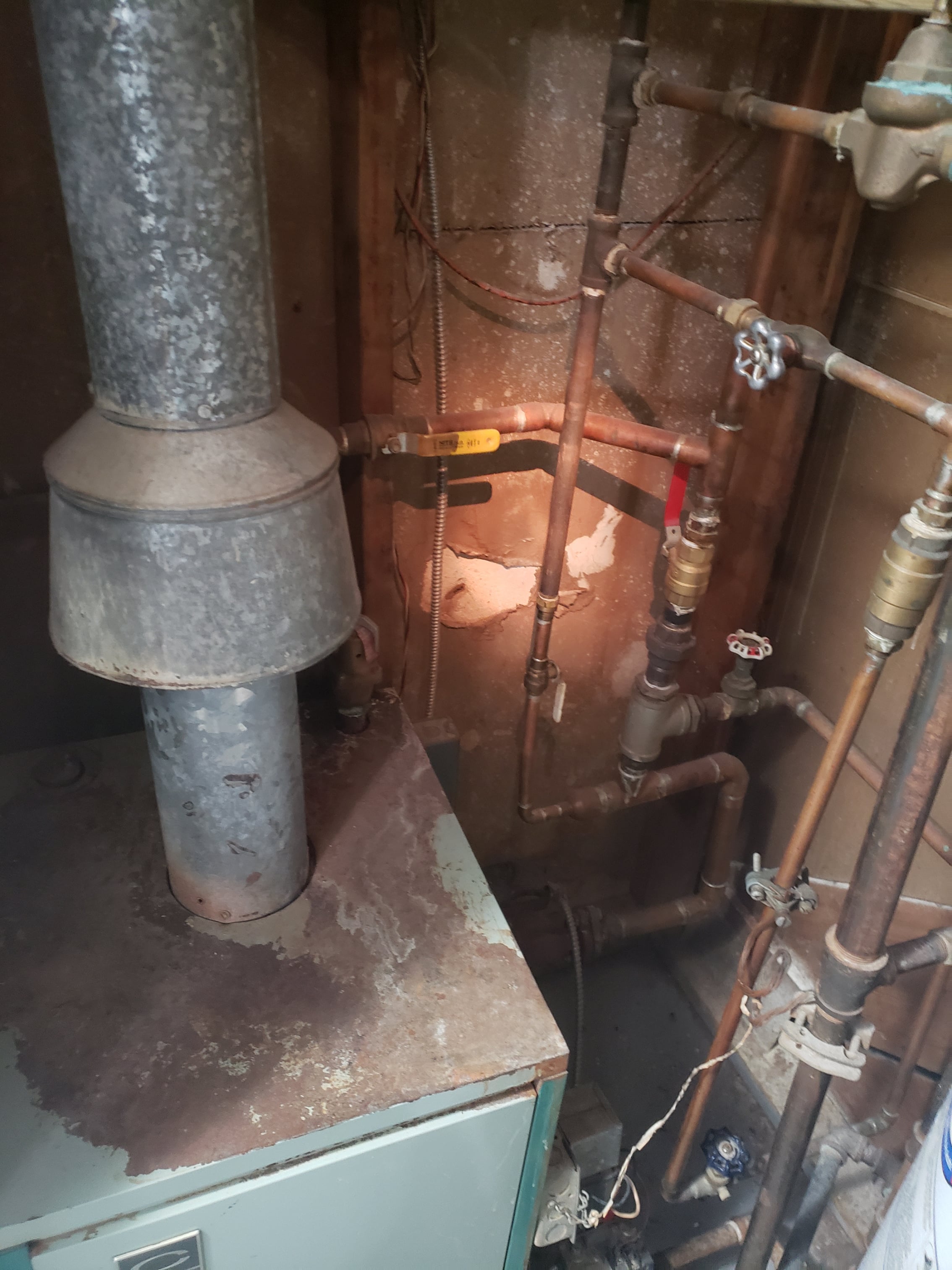
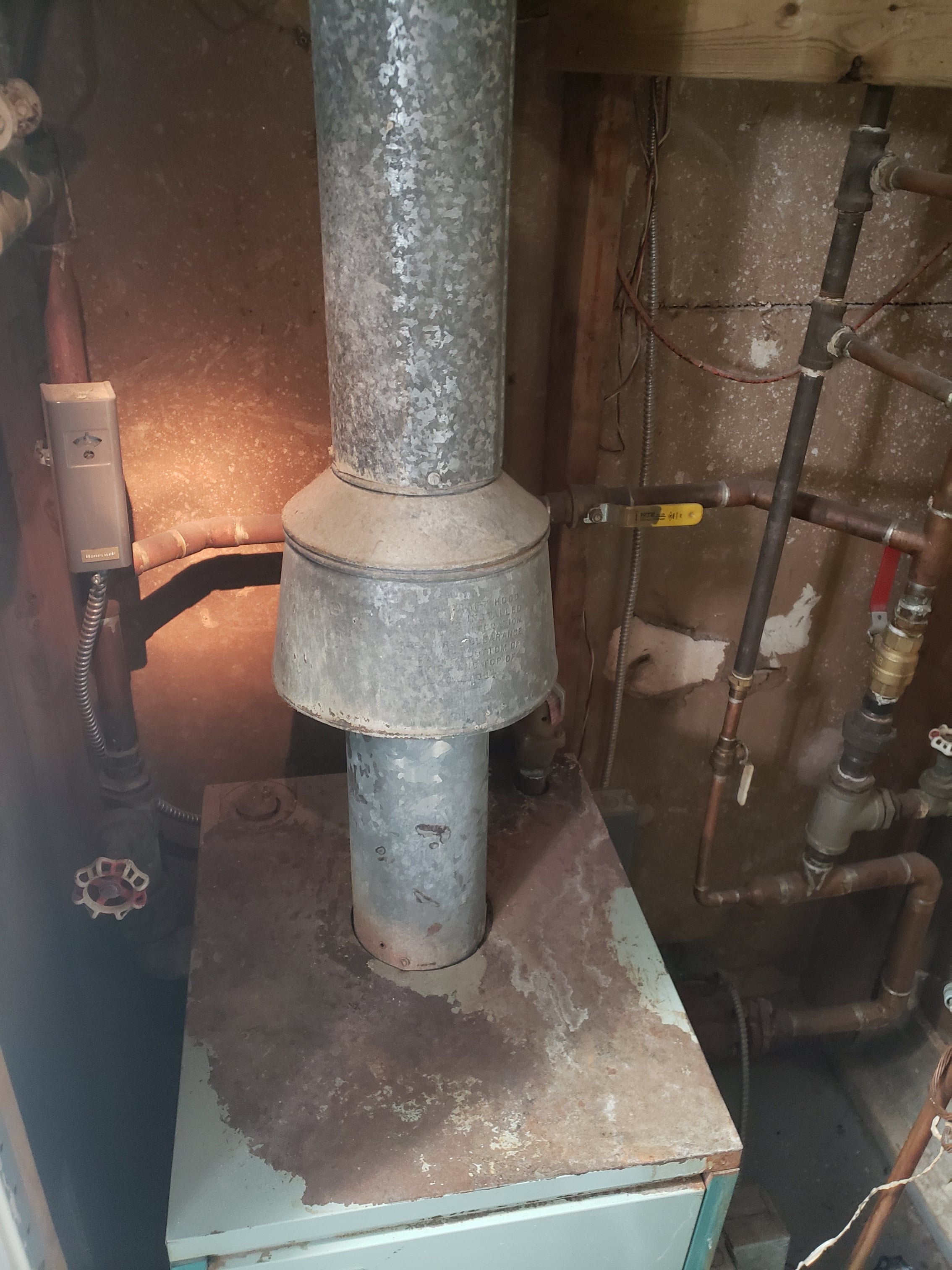
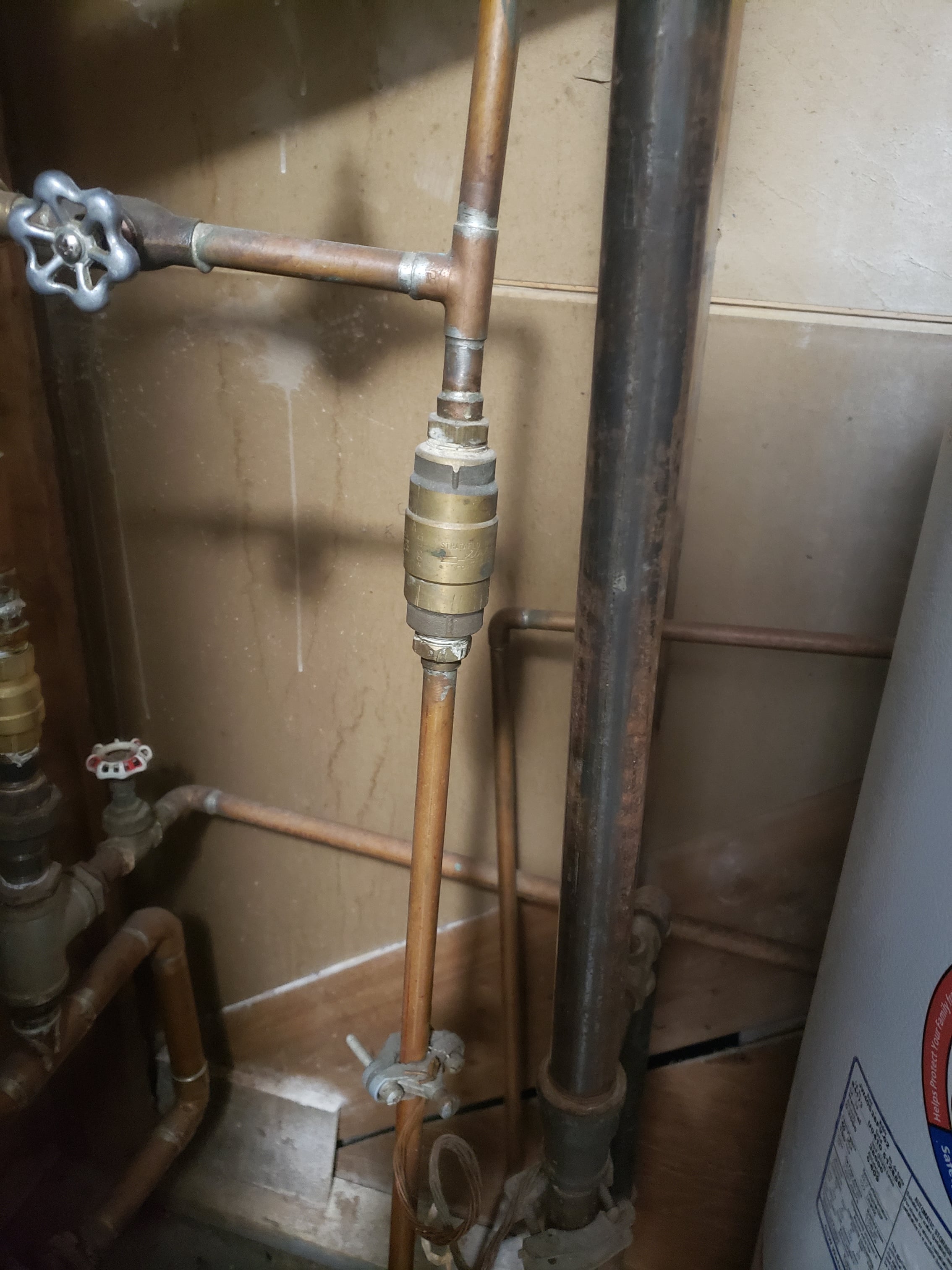
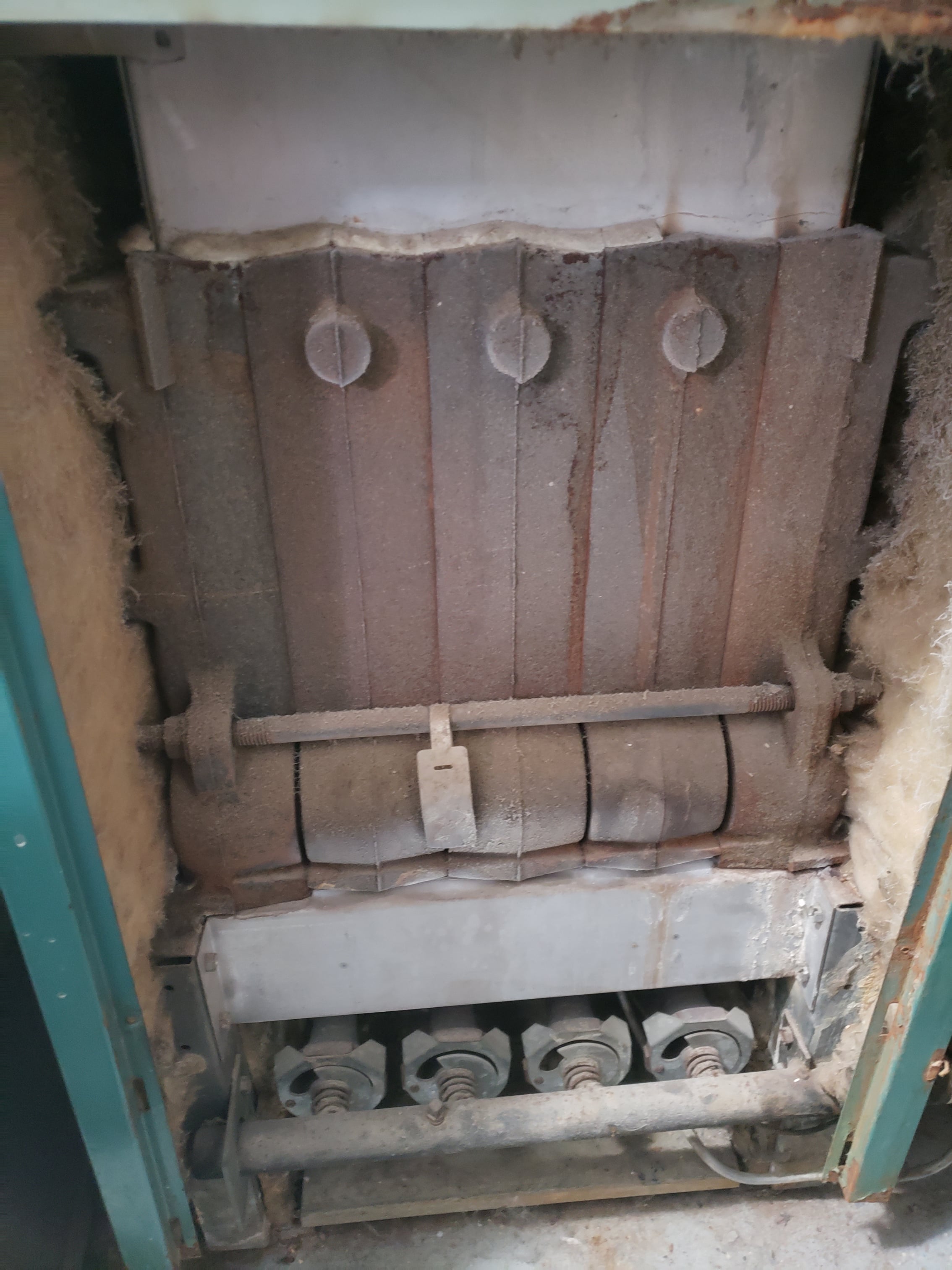
Hi I need to find the year manufacture of this boiler made by Crane boiler. Model 100W120PE Serial W-0692. Do all hot water boilers need a low water cut off and air scoop and flow switch. Tbis boiler is missing a low water cut off. It has ran close to 40 to 50 years.
Who do I contact for any tech support. I know it is old and might need to compare to another make of boiler for setup.
Comments
-
I love seeing these old boilers still out there kicking. Were you there for service or this is your house?
Lifelong Michigander
-Willie
0 -
they were manufactured between 1959-1972
Boiler should have a LWCO, most modern ones come with one factory installed but some areas required a second one to be installed on the piping.
And Air Scoop or some form of air elimination should be installed as well
0 -
Back when that boiler was installed LWCO was not required. You choice if you want to add one or not. Those were good boilers I had the exact one in my house. Crane is out of business they were taken over by Burnham so most of the information is long gone.
but those are simple boilers. There is really no information that you need. Flow switch not required. An air scoop or a microbubble vent is a good idea.
0 -
Actually, Crane sold their boiler operation to Slant/Fin (R.I.P.). American-Standard sold theirs to Burnham. That thing is built like a tank!
0 -
Can the circulator be replaced without draining the whole boiler? I see valves upstream. Is there a valve at the inlet?
I don't see a button on the aquastat so its not a manual reset High limit. Is it an auto reset high limit or is it the operating control?
0 -
I was there for service and inspection and I want find the year made and add necessary safeties missing. It has a dual check valve only instead of dual check valve with open port or back flow preventer. I need to know what safeties to add. There is no low water cut off and no air separator but there is an air float vent on the boiler. I need the serial number decoded and manual. The circulator pump works fine.
The high limit is surface mounted and not sure if resetable and aquastat installed in boiler.
Boiler needs to be drained to change circulator pump
House built somewhere around 1980 to 1982. Located in Biggar Saskatchewan Canada
0 -
How much glycol should be in there
0 -
There's no air separator because it would need one that could pipe into the steel compression tank in the rafters?
0 -
The expansion tank is not in the rafters. It is connected on the return side above the circulator pump higher up at around 7 feet. I couldn't get a picture of it. I would add an air separator on the hot supply side and leave the expansion tank where it is. Yes it shouldn't be on the cold return side but there isn't a lot of room. Is there a problem leaving the expansion tank kn the return side. The original installers in the 1980s just never bothered to put an air separator. I guess they bleed the air at each radiator section. There is only 3 zones
 1
-
You can't use air separators much with glycol. If you leave the vents open they just spit foam most of the time and then corrode the vents.
When the boiler was new it was legal with no LWCO and it only needs an auto reset hi limit aqua stat and a room thermostat.
What you put on it now is up to you.
Searching for the original manual will lead you nowhere.
0 -
Slant Fin had a manual archive for their 100 series.
0 -
What is the reasonimg that no LWCO was necessary
0 -
At the time that boiler was made, Code did not require it.
0 -
The boiler installation was 1980 to 1982. LWCO not needed by code hen?
0 -
in most jurisdictions a hot water boiler still does not require a lwco if the emitters aren't below the boiler.
does it have a compression tank rather than a bladder tank? everything looks to me more like 60's including the construction around the boiler
0 -
The installation is not 1960s. It is 1980s. Bladder tank. There is connectors below and above the boiler. One floor bungalow with basement
0 -
The original installation was probably 1960s. By the 1980s, Crane had sold out to Slant/Fin. It may have been modified in the 1980s, but the boiler is older than that.
 1
-
My guess they took an older boiler and installed it in 1980. By 1980 the boiler would have been 8 to 12 years old It IS NOT a 1960s installation since the house didn't exist. This is why I wanted to get the manufacturer date of the serial number. By 1980 were low water cutoffs required. Which should come first in the wiring circuit hi limit or low water cutoff. What is the code only ASME for boilers and hydronics. There wasn't a boiler installation code in Canada until 2001. Before this it was just installation manual of the manufacturer and common sense
0 -
Hot water boilers are usually always full and kept at 12-15psi and don't normally use any water so it was felt a LWCO was not needed. Unless you get a large leak which is pretty rare on a HW system.
Steam "uses" water as it is common to loose a little steam even at radiator air vents and steam boilers are only filled to a given water level.
I don't remember when LWCO became a requirement on HW but it was probably 25 or 30 years ago.
0 -
Air separators have been needed always?
0 -
air separators are a convienence so you don't have to bleed the system manually, they aren't required.
0 -
…. but I would never install a hot-water boiler without one.
1 -
there us a longer answer to that too. earlier systems had an open expansion tank in the attic and used gravity circulation. those systems wouldn't pull air to a central point, it would just rise to the highest points and you would have to bleed it out manually.
somewhere around the 40's systems got compression tanks and circulators(not necessarily in the same system at first). compression tank systems had to be designed to direct any air that escaped in to the system back in to the compression tank. with a circulator and an air scoop it could collect the air and direct it to the tank.
some gravity systems were installed new as late as the early 50's and replacement gravity boilers on existing gravity systems were installed in to the 60's or so.
systems eventually got diaphragm type expansion tanks. with expansion tanks air separators could vent the air out of the system since it was no longer needed in the compression tank.
0


Categories
- All Categories
- 87.8K THE MAIN WALL
- 3.3K A-C, Heat Pumps & Refrigeration
- 60 Biomass
- 430 Carbon Monoxide Awareness
- 133 Chimneys & Flues
- 2.2K Domestic Hot Water
- 6K Gas Heating
- 124 Geothermal
- 170 Indoor-Air Quality
- 3.9K Oil Heating
- 79 Pipe Deterioration
- 1.1K Plumbing
- 6.7K Radiant Heating
- 397 Solar
- 16.1K Strictly Steam
- 3.5K Thermostats and Controls
- 56 Water Quality
- 51 Industry Classes
- 51 Job Opportunities
- 18 Recall Announcements